



When the colder months roll in, most homeowners focus on heating their living spaces and protecting their plumbing from freezing. But there’s another part of your home that deserves winter attention: your water heater. Just like your walls and attic hold in warmth with proper insulation, your water heater can benefit from an added layer of protection. The question is, does every home need it? Let’s break it down.
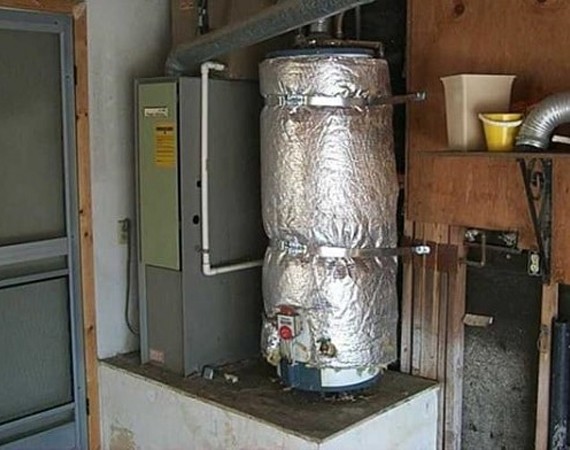
Why Water Heater Insulation Matters
Your water heater works around the clock, but winter forces it to work even harder. Incoming water is colder this time of year, which means your system must run longer and use more energy to bring it up to your desired temperature. That extra workload can show up as higher utility bills.
Insulating the tank helps reduce what’s called standby heat loss, which is the heat that escapes while hot water sits unused in the tank. By keeping more heat inside the unit where it belongs, the water heater doesn’t have to cycle on as often—saving energy and helping your home stay comfortable.
Signs Your Water Heater Could Benefit from Extra Insulation
Not every system needs a wrap or insulation blanket, but you may want to consider one if:
- Your water heater is more than 8–10 years old. Older units usually have thinner built-in insulation.
- It’s located in an unheated or drafty area like a garage, attic, crawlspace, or shed.
- Your hot water doesn’t last for as long as it used to, especially on cold mornings.
- Your winter energy bills spike even when your home heating habits haven’t changed.
In these situations, adding insulation can help limit heat loss and improve water heater performance.
When Insulation Isn’t the Right Choice
Water heater insulation isn’t universal. In some cases, adding a blanket isn’t helpful—and can be hazardous. which means you should avoid insulating your tank if:
- You have a modern, high-efficiency unit – most newer models already include upgraded insulation.
- The manufacturer warns against insulation
- You have a gas water heater and cannot keep insulation away from the burner assembly, venting, or top of the tank.
If you’re unsure about any of these points, request a visit from one of our licensed plumbers so we can help you choose water heater insulation only if it’s safe and practical to do so.
Can It Really Save Money?
Given everything you’ve read so far, water heater insulation can reduce what you pay to heat your water by up to 10%. What do you pay to heat your water? According to Google, about $35 per month, which equates to about $420 per year, bringing your approximate annual savings to about $42. No, that’s not a lot of money. But there are plenty of other ways to reduced your energy expenses that, when combined, can equate to substantial annual savings.
For more information about water heater insulation or to request any plumbing, heating, or air conditioning service we provide, contact Messmer Mechanical today. We’ll be happy to lend a helping hand.